
Can luck really influence your casino outcomes?
The Role of Luck in Casino Games
Luck is often perceived as a fundamental element in casino gaming, where the outcome of many games hinges on chance rather than skill. For instance, games like slots, roulette, and craps rely heavily on random number generators and chance events, making luck the primary determiner of success. Many players enter casinos with the belief that luck plays a crucial role, often attributing their wins or losses to fortuitous moments or unfortunate spirals beyond their control, similar to the experiences found at 1win where luck can significantly influence the gaming experience.
Although luck can significantly impact individual sessions, it is important to recognize that the house edge ensures casinos will remain profitable in the long run. This house edge is a mathematical advantage built into the games, which means that while players may experience winning streaks, ultimately, luck can only take them so far. This dynamic raises the question of how much real control players have in these environments, where outcomes are designed to favor the establishment.
In addition to the mathematical aspect of luck, many players also bring psychological factors into play. For example, players often have superstitions or rituals they believe can influence their luck during their time in the casino. Whether it’s wearing a ‘lucky’ shirt or performing a certain routine before placing bets, these behaviors highlight the deep-rooted human need to find factors that can sway the odds in their favor, even when logic suggests otherwise.
Understanding Randomness in Casino Games
At the heart of casino games is the principle of randomness, where each bet or spin is independent of previous results. This randomness is designed to ensure fairness, but it also means that players cannot predict outcomes based on prior events. For example, just because a roulette wheel landed on red four times in a row does not guarantee that the next spin will be black. This unpredictable nature is fundamental to games of chance, emphasizing that each scenario is indeed a fresh opportunity.
The reliance on random outcomes leads many players to misinterpret patterns, a cognitive bias known as the gambler’s fallacy. This fallacy occurs when individuals believe that previous results affect future outcomes, leading them to make poor betting decisions. Understanding and recognizing this randomness is crucial for players hoping to navigate casino experiences more effectively, as it can prevent them from falling into traps that mislead their perception of luck and strategy.

Moreover, different games have varying levels of randomness. Table games such as blackjack may involve more strategy than slot machines, where chance dominates completely. Players who rely solely on luck may find themselves at a disadvantage in games that reward strategic thinking. Thus, understanding the underlying mechanics of each game, while still acknowledging the role of luck, is essential for any casino enthusiast aiming for a worthwhile experience.
The Psychological Impact of Luck on Players
The concept of luck can greatly influence the emotions and decision-making of casino players. Winning can lead to excitement and reinforcement of the belief that luck is on one’s side, effectively creating a feedback loop of behavior that encourages further gambling. Conversely, losing streaks can lead to frustration and desperation, often resulting in players chasing their losses in hopes of regaining a winning streak. This psychological effect can create significant financial and emotional strain.
Players often recount stories of their ‘lucky breaks’ or near-misses, which can elevate their anticipation for future games. This phenomenon, combined with the euphoric highs that come with winning, emphasizes that luck does play a crucial role in shaping players’ attitudes towards betting. Casinos capitalize on this psychology by creating environments that heighten these feelings, utilizing bright lights, engaging sounds, and the thrill of chance-based games to keep players engaged and spending.
Furthermore, the social aspect of gambling cannot be ignored. Many players enjoy sharing experiences with friends or interacting with others at the tables, which can amplify feelings of luck or fortune. When in a group, the excitement can become contagious, leading individuals to feel more emboldened to take risks. Ultimately, the interplay of luck, psychology, and social dynamics creates a complex landscape in which casino outcomes are influenced, often more than players realize.
Strategies to Cope with Luck and Outcomes
While luck undeniably plays a role in casino games, players can adopt strategies to mitigate its effects and improve their overall experience. One effective approach is managing bankroll wisely. Setting limits on how much to spend and sticking to that budget can help prevent the negative emotional spiral often associated with losing streaks. This way, players can enjoy the entertainment aspect of gaming without the stress of significant financial loss.
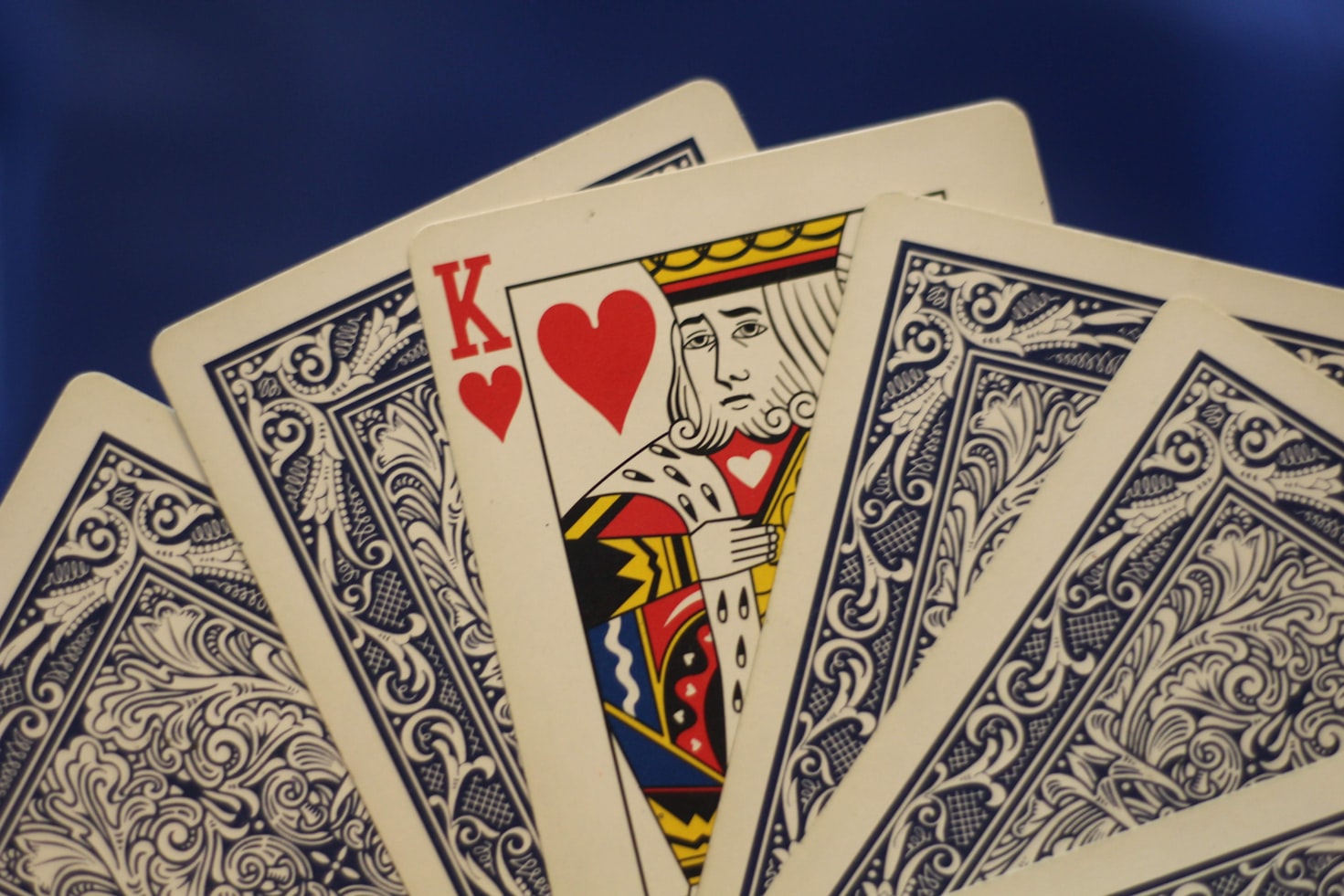
Another strategy is to choose games that incorporate skill elements along with chance, such as poker or blackjack. Understanding the strategies behind these games can give players a better sense of control and potentially improve their odds of winning in the long run, as they can make informed decisions based on their knowledge of the game mechanics and probabilities.
Lastly, taking breaks is a crucial but often overlooked strategy. By stepping away from the game, players can prevent impulsive decisions driven by frustration or excitement. This pause allows for a clearer perspective on their gaming approach and the role of luck in their outcomes, ultimately helping them maintain a more balanced perspective during their casino visits.
Exploring More About Casino Experiences
To delve deeper into the fascinating world of casinos and gain insights into luck, strategy, and gameplay, exploring dedicated resources and informative websites can be incredibly beneficial. These platforms often provide a wealth of information on various games, odds, and strategies that can help players make informed choices. Understanding the mechanics behind each game can significantly affect their gambling experience, leading to more enjoyable and potentially profitable sessions.
Furthermore, many of these resources provide strategies for approaching gameplay with a balanced mindset, emphasizing the enjoyment of the experience rather than placing undue pressure on outcomes. Players can learn about responsible gambling practices, ensuring that they remain within their limits while still enjoying the thrill of the game. This educational approach can enhance their overall casino experience, promoting a healthier relationship with gambling.
In summary, while luck does have an undeniable influence on casino outcomes, a comprehensive understanding of game mechanics, strategic approaches, and mindful practices can significantly enhance a player’s experience. Engaging with resources that focus on education and responsible gaming can lead to a more fulfilling journey in the vibrant world of casinos, making luck an exciting, albeit unpredictable, variable in their gaming adventures.